.jpg?w=1000&h=1000)
.jpg?w=1000&h=1000)
.jpg?w=1000&h=1000)
.jpg?w=1000&h=1000)
.jpg?w=800&h=800)
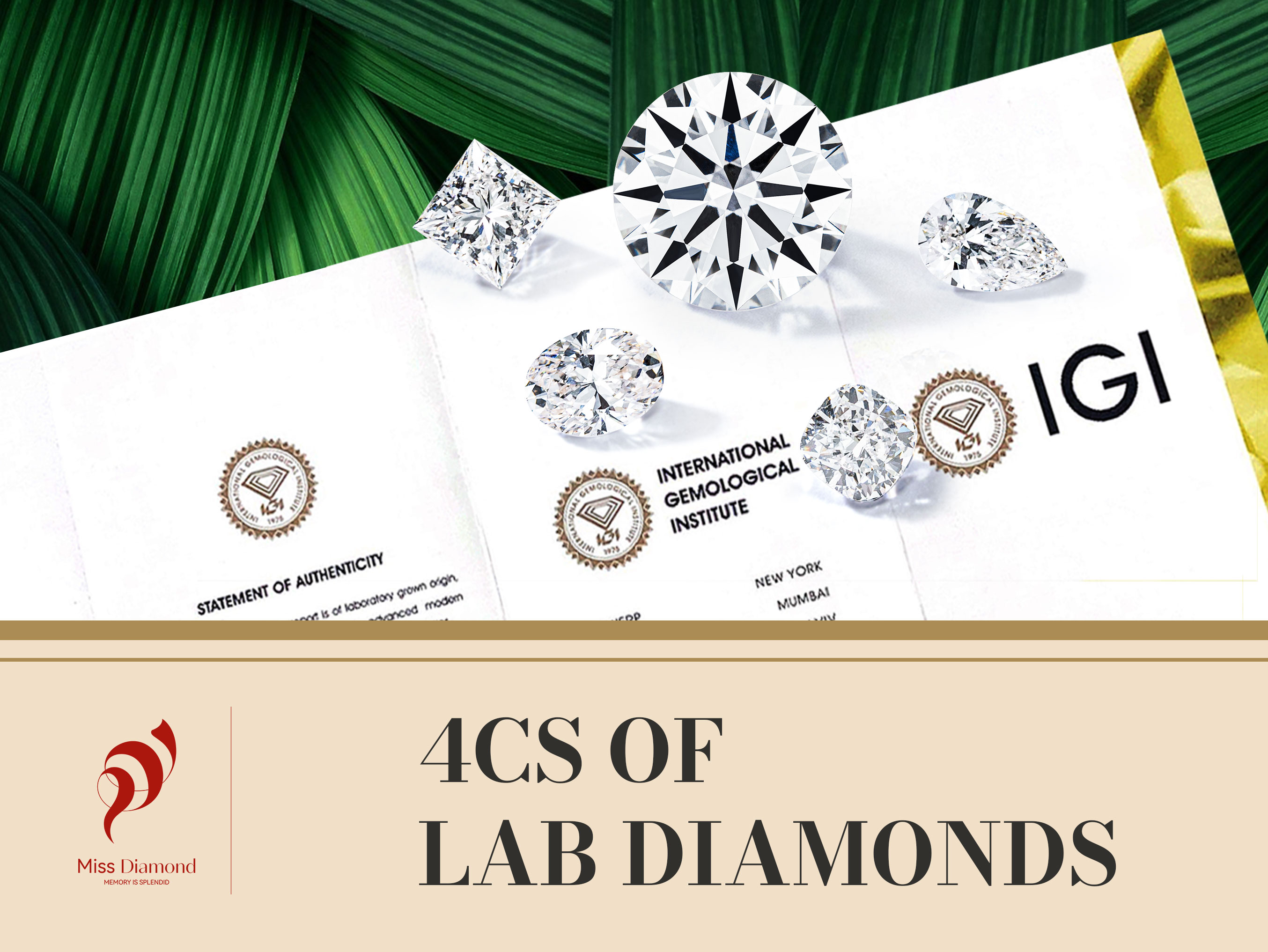
What Are the 4Cs of Lab Diamonds?
The 4Cs — Cut, Color, Clarity, and Carat weight — are the universal standards for evaluating diamond quality, established by the Gemological Institute of America (GIA).
Understanding the 4Cs helps you compare lab diamonds with confidence, whether you're choosing an engagement ring or a meaningful piece of jewelry. Each stone is unique, and knowing these four qualities ensures you find the one that truly fits your story.
Clarity
Understanding these factors helps you better assess the clarity and value of lab diamonds with confidence
Lab diamond clarity refers to the presence of natural imperfections — known as inclusions (internal) and blemishes (surface)
— that can affect a diamond’s appearance and value. These features are evaluated under 10x magnification, and higher clarity grades mean fewer or less noticeable imperfections, resulting in greater brilliance and value.
Key Factors That Affect Clarity
Inclusions: Internal marks like minerals or bubbles. Choosing a well-cut diamond can help minimize their visibility.
Blemishes: Surface marks such as scratches or pits. These can often be avoided with proper handling and care.
Cut Quality: A skilled cut can reduce the appearance of inclusions. Working with a trusted jeweler helps ensure quality craftsmanship.
Clarity Grades Explained
| Grade | Description |
|---|---|
| FL (Flawless) | No inclusions or blemishes visible under 10x magnification. |
| IF (Internally Flawless) | No inclusions visible; only minor surface blemishes. |
| VVS1 & VVS2 | Minute inclusions, extremely difficult to detect. |
| VS1 & VS2 | Small inclusions, visible under magnification. |
| SI1 & SI2 | Inclusions noticeable to the naked eye. |
| I1, I2, I3 (Included) | Large inclusions clearly visible, affecting brilliance and durability. |
What Is Lab Diamond Cut?
Diamond cut refers to how a lab diamond has been shaped, faceted, and polished — and it’s the most important factor in determining a diamond’s brilliance and sparkle. A well-cut diamond reflects light beautifully, making it appear brighter and more valuable..webp?w=800&h=300)
Key Factors That Affect Cut Quality
-
Proportions: The balance of depth, table size, and crown height
-
Symmetry & Polish: How precisely the facets are aligned and finished
-
Facet Angles: The way light enters and exits the diamond
-
Craftsmanship: The skill and precision applied during cuttin
Cut Grades Explained
| Grade | Description |
|---|---|
| Excellent | Ideal proportions, perfect symmetry — maximum brilliance. |
| Very Good | Slightly less ideal, but still excellent light performance. |
| Good | Acceptable brilliance with minor compromises. |
| Fair | Noticeable issues in light reflection and overall appearance. |
| Poor | Major flaws in symmetry and brightness; minimal sparkle. |
What Is Lab Diamond Color?
Lab diamond color refers to the natural tint of a diamond. The most valuable and rare lab diamonds are colorless, graded based on how little color they show.
What Is Lab Diamond Carat Weight?
Carat weight measures a diamond’s physical size. While larger diamonds are generally more valuable, other factors — cut, color, and clarity — also play a role in determining final price.
Key Factors That Affect Carat
| Factor | How It Affects Carat |
|---|---|
| Physical Size | Larger carat weight typically means higher value, but it’s not the only factor. |
| Proportions | A well-cut diamond can appear larger than its actual carat weight. |
| Cut & Shape | A deeper or shallower cut affects overall dimensions, which can change how big the diamond looks. |
How Carat Is Graded
Unlike natural diamonds, lab diamonds do not follow an exponential price increase with carat weight. Here’s what makes them different:
-
Precise Measurement: Carat weight is measured in increments of 0.01 or 0.05 carats.
-
Linear Pricing: Because lab diamonds are grown in controlled conditions, their price increases more linearly with carat weight — not exponentially. Larger stones are more accessible and affordable.
-
Perceived Size: Lab diamonds can be cut to maximize visual impact, often appearing larger than their actual carat weight — giving you more sparkle for your budget.
Understanding how carat works for lab diamonds helps you choose a stone that balances size, quality, and value — without the traditional price premium.
Fancy Shapes & the 4Cs
At Messi Jewelry, every fancy-shaped lab diamond — from pear and marquise to oval — is crafted with precision and graded by the 4Cs standards. These unique cuts showcase exceptional artistry, offering a distinctive look that stands apart from traditional round diamonds.
Loved by customers for their rarity and striking beauty, each fancy shape is a true work of art — combining aesthetic appeal with uncompromising quality.
.png?w=800&h=800)
.png?w=800&h=800)
.png?w=800&h=800)
.png?w=800&h=800)
Fancy Colored & the 4Cs
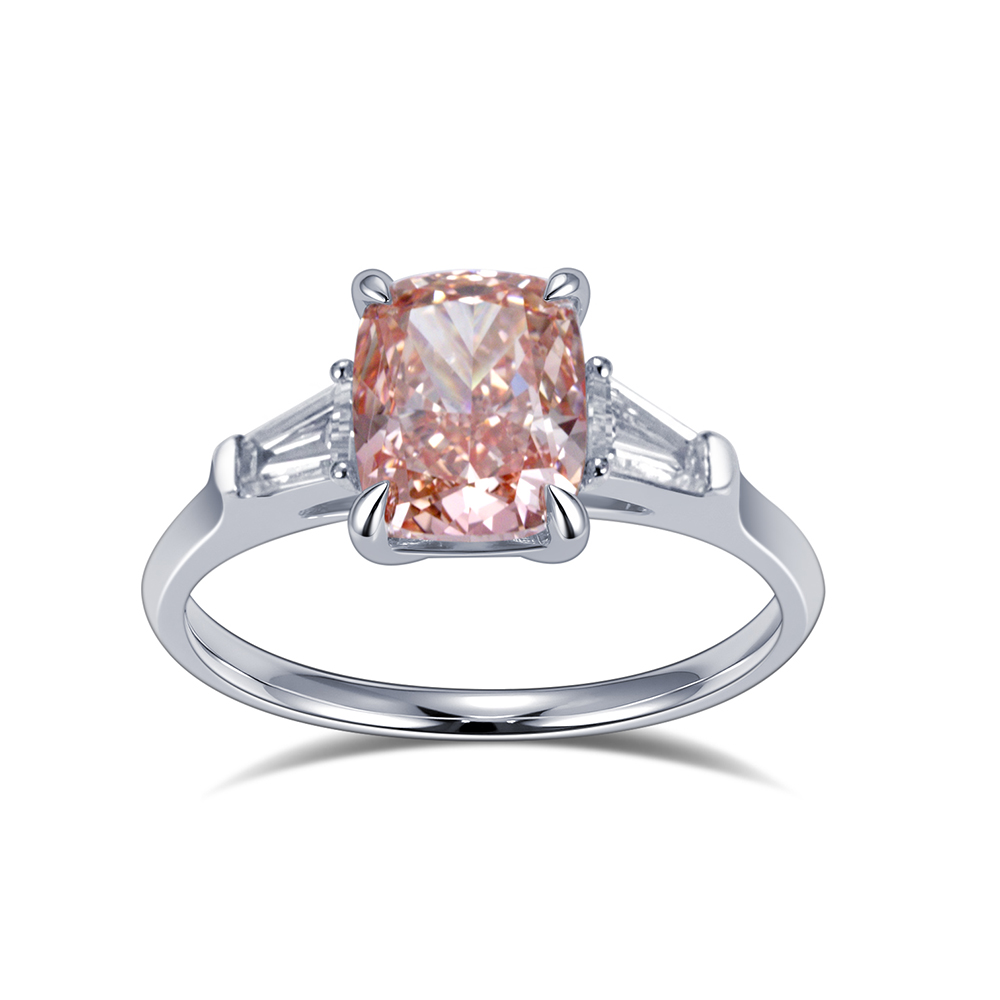
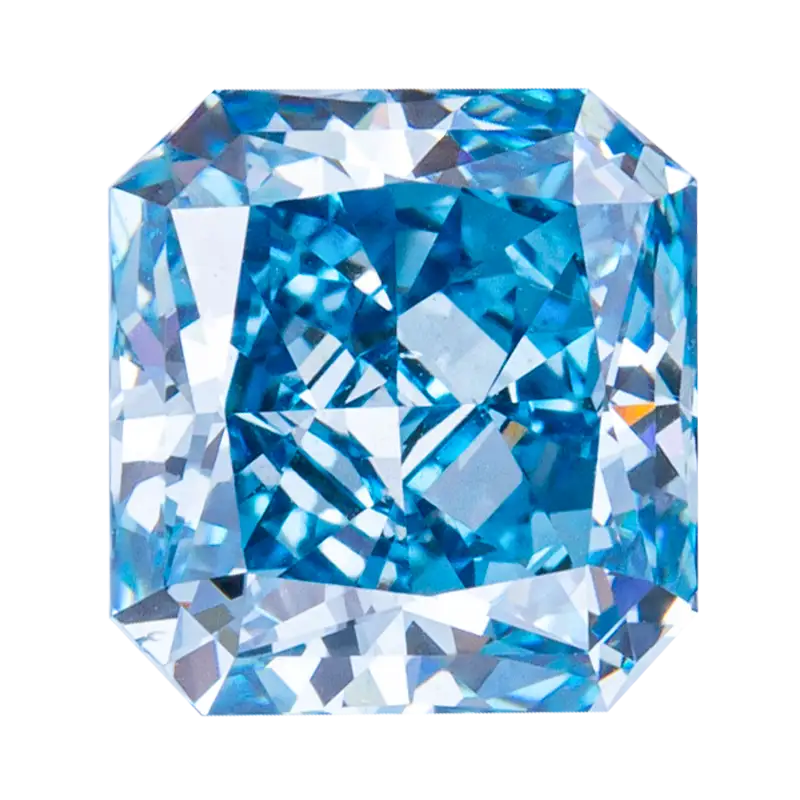
Messi Jewelry offers a stunning collection of fancy colored lab diamonds, from deep blues to radiant pinks — all meticulously graded under the 4Cs framework.
Customers praise their brilliance and uniqueness, making them the perfect choice for standout jewelry pieces. Every colored diamond meets international quality standards, ensuring beauty, consistency, and excellence in every stone.